Tokens Guide
How colored tokens actually circulate through machines, where the token scoop fits in, how pricing is presented, and why token-box maintenance becomes an automation problem later.
☷ Table of Contents
How the token loop works
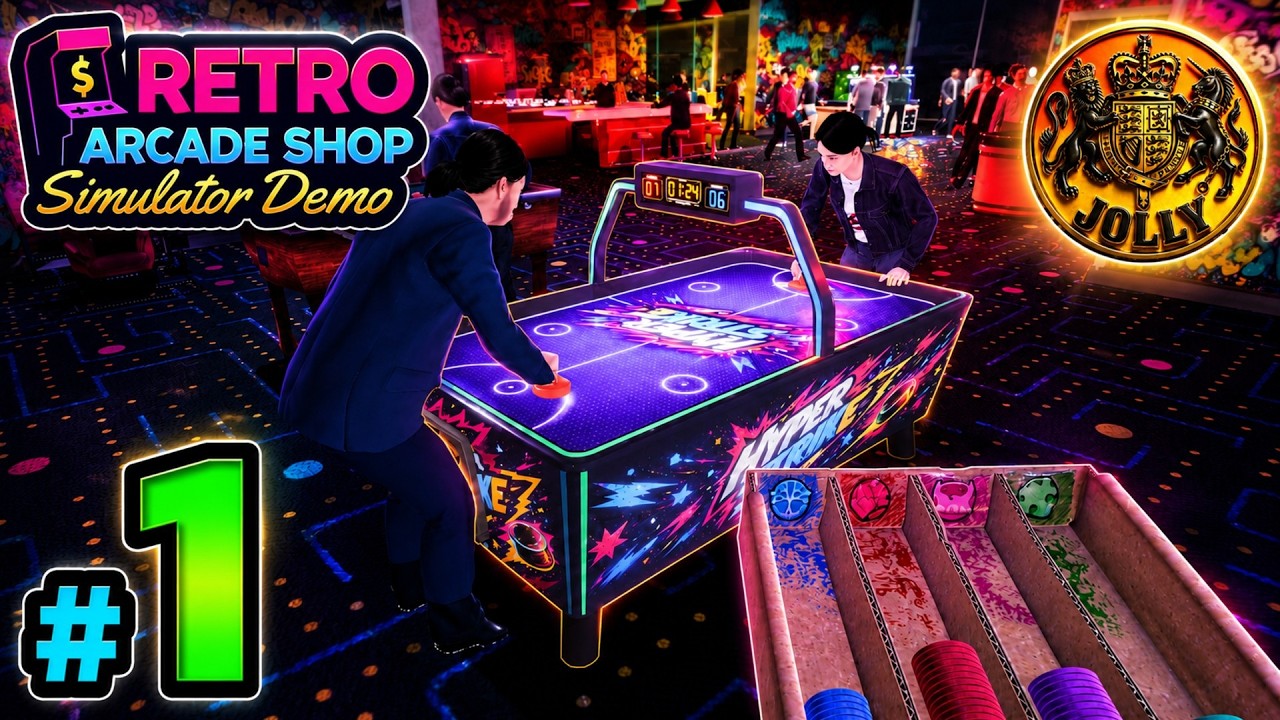
In the tutorial footage, customers take/use tokens for machines, the machines accumulate spent colored tokens, and the player periodically retrieves those tokens. Those recovered tokens are then put back into matching token boxes so they can circulate again.
That makes the token system a closed operational loop: stock → customer use → machine collection → matching box → stock again.
Using the token scoop
The token scoop is available from the early tool wheel. Walk up to a machine that has accumulated tokens, collect them, then return them to the matching box. It is a small action when the shop is tiny and a route-planning problem once machines are spread across several rooms.
Matching colors and boxes
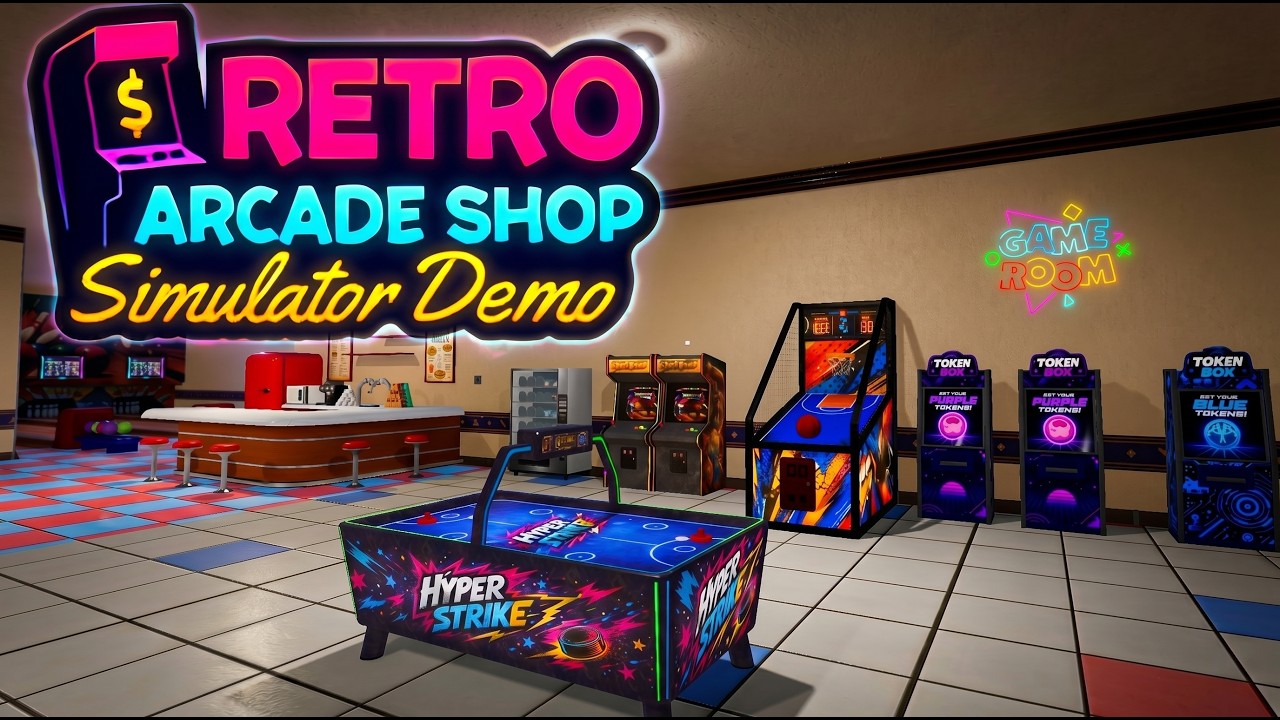
The tutorial explicitly calls out “colored tokens” and “matching token boxes.” Do not dump every recovered token into the same place. The store description for Early Access confirms the broader economy uses four different token currencies.
Token pricing
The dashboard includes a recommended prices view. In the supplied first-look footage, changing the price appears to affect the relevant token rather than an individual cabinet price. Because launch balance can change, this guide does not freeze June demo values into a September “best price” table.
Watch customer flow and total earnings instead of assuming “maximum price = maximum profit.”
Token collector staff
Early Access adds a dedicated token collector role. This is the logical automation step when manual collection begins interrupting repairs, expansion planning or customer service. Cashiers reduce queues; token collectors reduce route burden inside the arcade floor.
Matched gameplay images